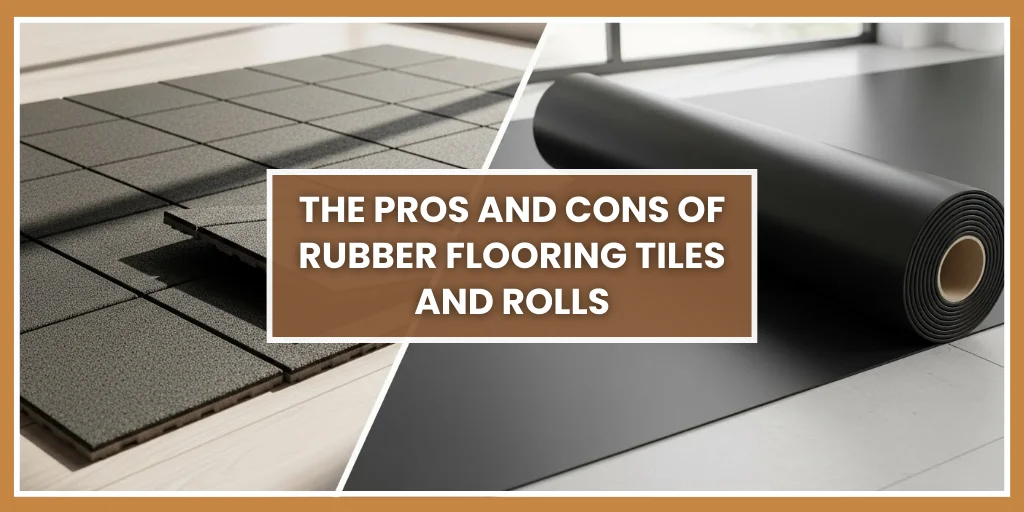
Rubber flooring was once considered to be a part of gyms and playgrounds. Since then, it has found its way from there to the homes, offices, and garages. Some people even use these floors to lie on their patio. The reasons are simple and practical, they are durable, comfortable underfoot, and offer high shock absorption. You can buy these rubber floors in two forms: the rubber floor rolls and rubber tile flooring. So, whether you are building a home gym, upgrading the garage floors, or designing a commercial fitness area, rubber floors in Dubai are the perfect choice. Today, we will be looking at the pros and cons of rubber flooring tiles and rolls.
Understanding Rubber Flooring Tiles and Rolls
Rubberized floors are usually available in the markets in two main forms; rolls and tiles. Both fo them are made from either the natural rubber extract from trees or the recycled rubber. They are often both mixed with synthetic polymers and vinyl to give them added strength and flexibility.
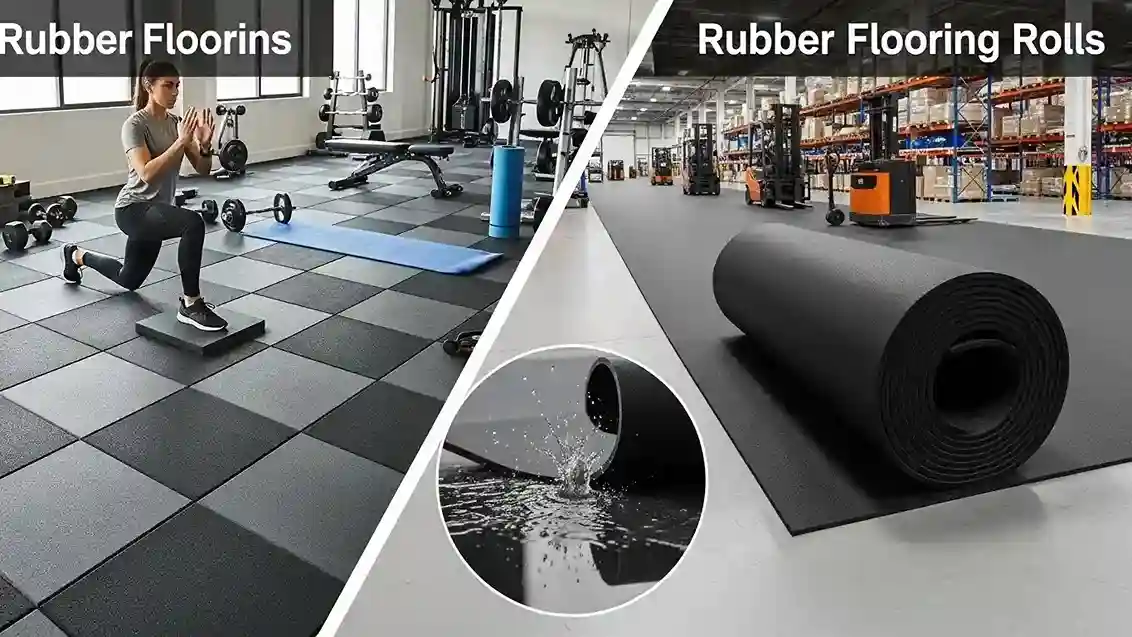
- Rubber tiles flooring is available in interlocking pieces; hence they are called interlocking floor tiles or rubber interlocking mats. You can easily install and replace these floors in irregular shaped areas.
- Rubber floor rolls come in large continuous sheet pieces that make them ideal for use in larger areas like gyms, yoga studios, and commercial areas. With these roll sheets, you get fewer seams, which in turn improves aesthetics and hygiene for the area.
Pros of Rubber Flooring Tiles and Rolls
For your better understanding, we have picked up a few of the top-most pros for these rubber floors.
1. Excellent Durability and Longevity
These floors are known as the most resilient and long-lasting. Whether you use them in the roll form or the tile form, they will take care of heavy weights, high traffic, and traffic impact. You won’t have to deal with denting or cracking with these floors. This makes them ideal for use as rubber car mats, in garage flooring Tiles, and for home gym floors.
2. Shock Absorption and Comfort
Rubber has a natural cushioning effect that allows for comfortable walking or standing for longer periods of time. They work perfectly for gyms, kids’ play areas, or in a commercial kitchen. For any need of anti-fatigue flooring, rubber flooring will be the topmost choice. Roll-out gym flooring and interlocking fitness floor tiles are ideal for absorbing the impact from the dropping weights. Their soft surface allows for less strain on joints and protects your subfloors.
3. Slip Resistance and Safety
Whether the surface is dry or slightly wet, the rubber will always provide better foot traction. The rubber outdoor flooring, especially the patio rubber flooring, is the safest choice for moisture-prone areas or weather conditions. Most rubber floors have a textured or rubber mesh finish for better foot grip.
4. Noise and Vibration Reduction
Rubber is also quite dense, but ironically enough, it’s flexible, and this allows it to absorb sound and vibration better. This is why most apartment gyms or multi-story buildings use this flooring to reduce the effect of noise from falling weights.
5. Eco-Friendly and Recycled Options
Sustainability is the new trend in home renovation services. To fulfill these needs of eco-friendliness and sustainability, recycled rubber floors made from old tires are the latest product. You can even find the recycled rubber floor underlayment to lay down beneath most floors, like the hardwood floors or vinyl floors, for cushioning and thermal insulation.
6. Easy Maintenance
These floors are loved by the homeowners because they have natural stain and water resistance. These properties make them easy to clean, just a quick wipe and the floors are clean. If you wish to add advanced protection, you can apply the rubber floor sealant once a year to improve the color and durability.
Cons of Rubber Flooring Tiles and Rolls
Like all good things in life, rubber floors also have a few cons.
1. Higher Initial Cost
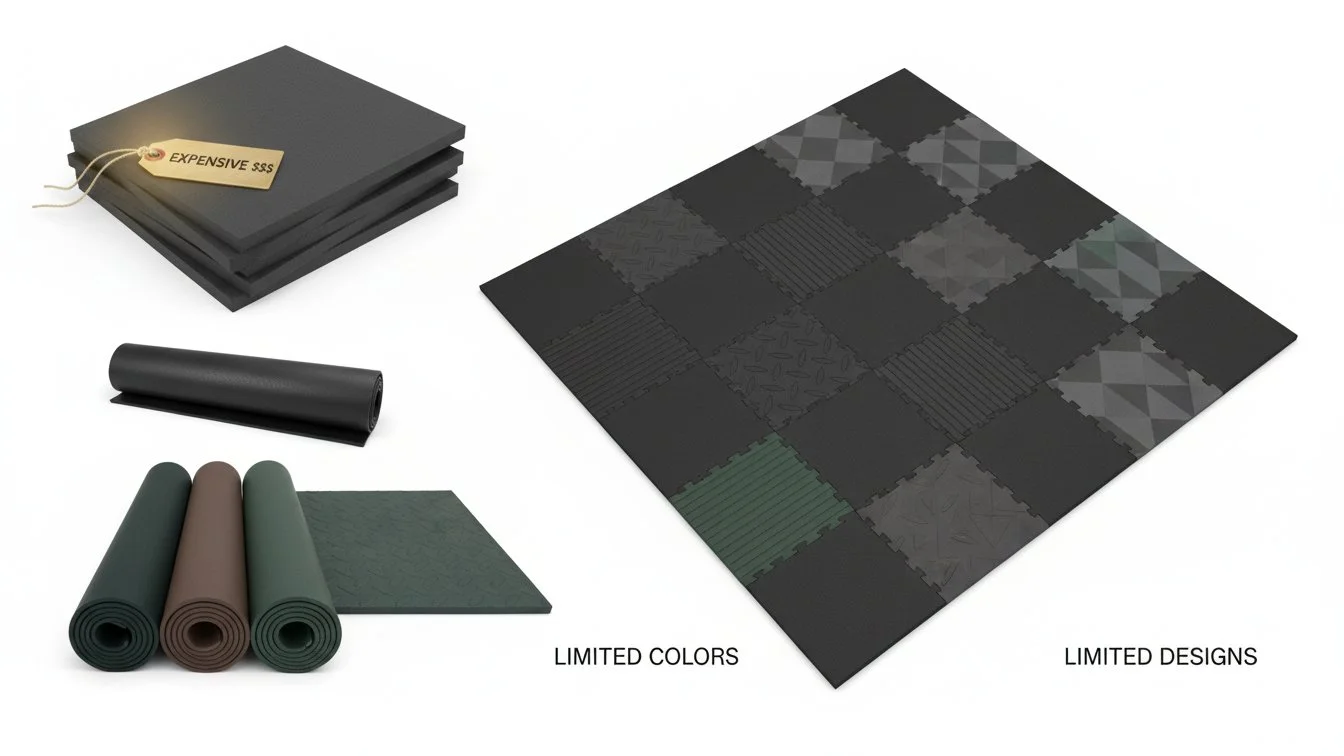
The biggest disadvantage of these floors are that they have a high upfront cost. While prices vary on the quality and thickness, premium products like the rubber floor rolls, and interlocking rubber floor tiles all are generally expensive. Still, this high cost leads to relatively longer lifespan and low maintenance costs.
2. Limited Color and Design Options
Rubber floors might be practical but when it comes to home décor, there are only limited options for them. You can find them in dark or neutral tones like black or gray. While some brands do offer black rubber floors with speckled or color variants, the design variety is still limited to most vinyl floors or tile flooring.
3. Rubber Odor
Fresh rubber has its own special odor, especially if they are made from recycled materials. You will experience that rubber smell for a few days after their installation. The odor is harmless, but it can cause some unpleasant feelings. This is why you need to have proper ventilation to resolve this issue, especially for the indoor rubber tiles.
4. Not Ideal for All Aesthetics
Rubber floors are functional yet they lack the aesthetic look of wood or stone. For the luxury living room interiors, they give an industrial feel which feels lacking. However, you can look for design options like matte stone textures to make the rubber feel more visually pleasing.
5. Susceptible to Chemical Stains
Rubber floors are susceptible to harsh floor cleaners, oils, and certain abrasive car fluids. When used as garage or workshop flooring Dubai, ensure they do not come in contact directly with the spills.
6. Heavy Weight and Installation Challenges (for Rolls)
Rubber floor rolls are quite heavy and they are also a bit trick to lay down without proper help. You will need a professional service that will use adhesives to do the accurate fitting for a wall to wall area coverage.
Choosing Between Rubber Tiles and Rolls
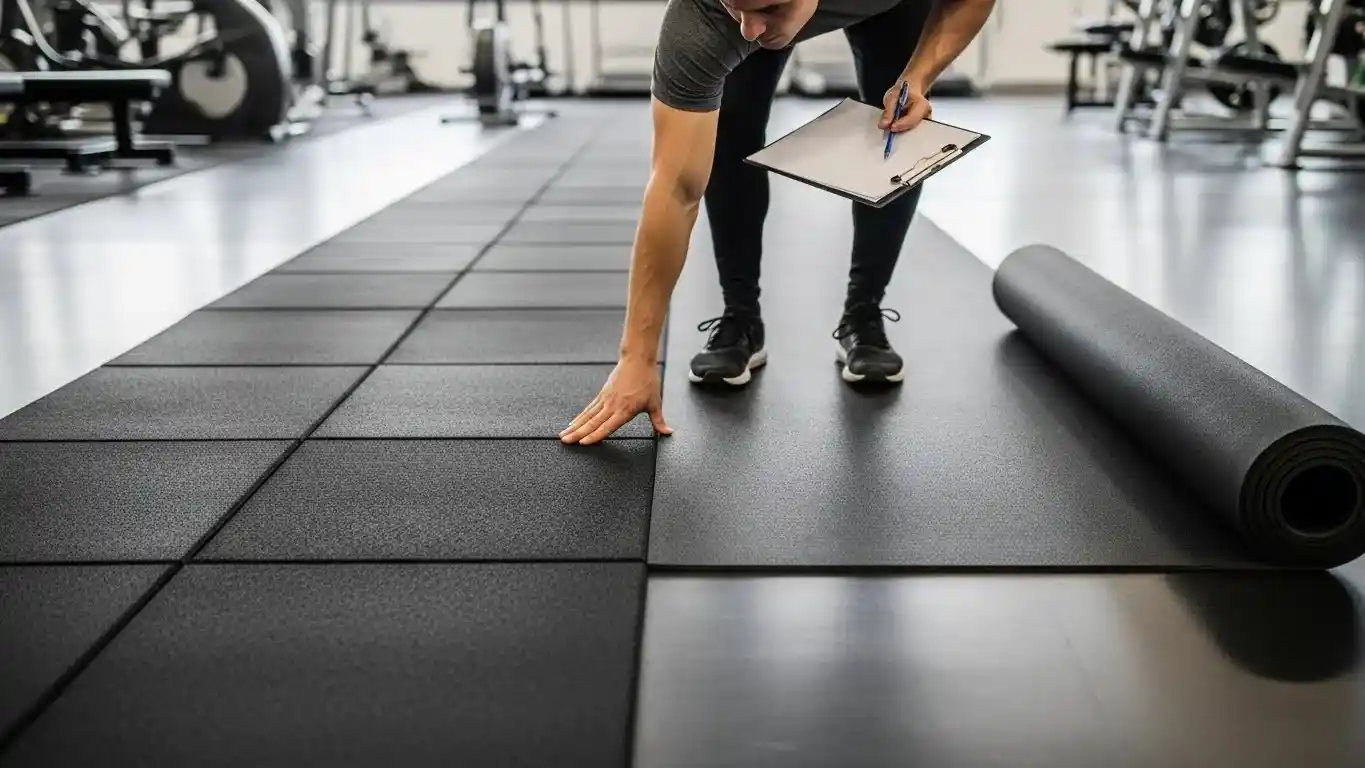
The choice for these floors is personal, but there are still a few recommendations that will help you make a better decision.
(i). Rubber tiles work best in smaller rooms or ones that have uneven shape. These rubber floor tiles allow for a DIY installation and the replacement is also quite easy.
(ii). Rubber rolls are most suited for large open areas where there is a lot of foot traffic. There will be fewer seams and the floors look quite professional.
Final Verdict
The pros and cons of rubber flooring tiles and rolls will help you know why these floors work for both residential and commercial areas and what their limitations are. The benefits are many, so are the disadvantages but they are only limited to aesthetics and cost. The advantages like better shock absorption, slip resistance, and longevity make rubberized flooring a great floor investment.
FAQs
1. What is rubber flooring?
Rubber flooring is known for its high durability and slip-resistant surface, made from both natural or recycled rubber.
2. How much are rubber tiles in Dubai?
Rubber flooring tiles can range from AED 65 to AED 150 per square meter. The cost varies on the thickness, design, and the installation types.
3. Is rubber flooring waterproof?
These floors are not completely waterproof, but they still offer high water resistance. This allows for these floors to be the perfect choice for gyms, garages, and outdoor areas.
4. What is rubber flooring used for?
Rubber floors are mostly used in gyms, garages, schools, children’s play areas, and commercial workshops.